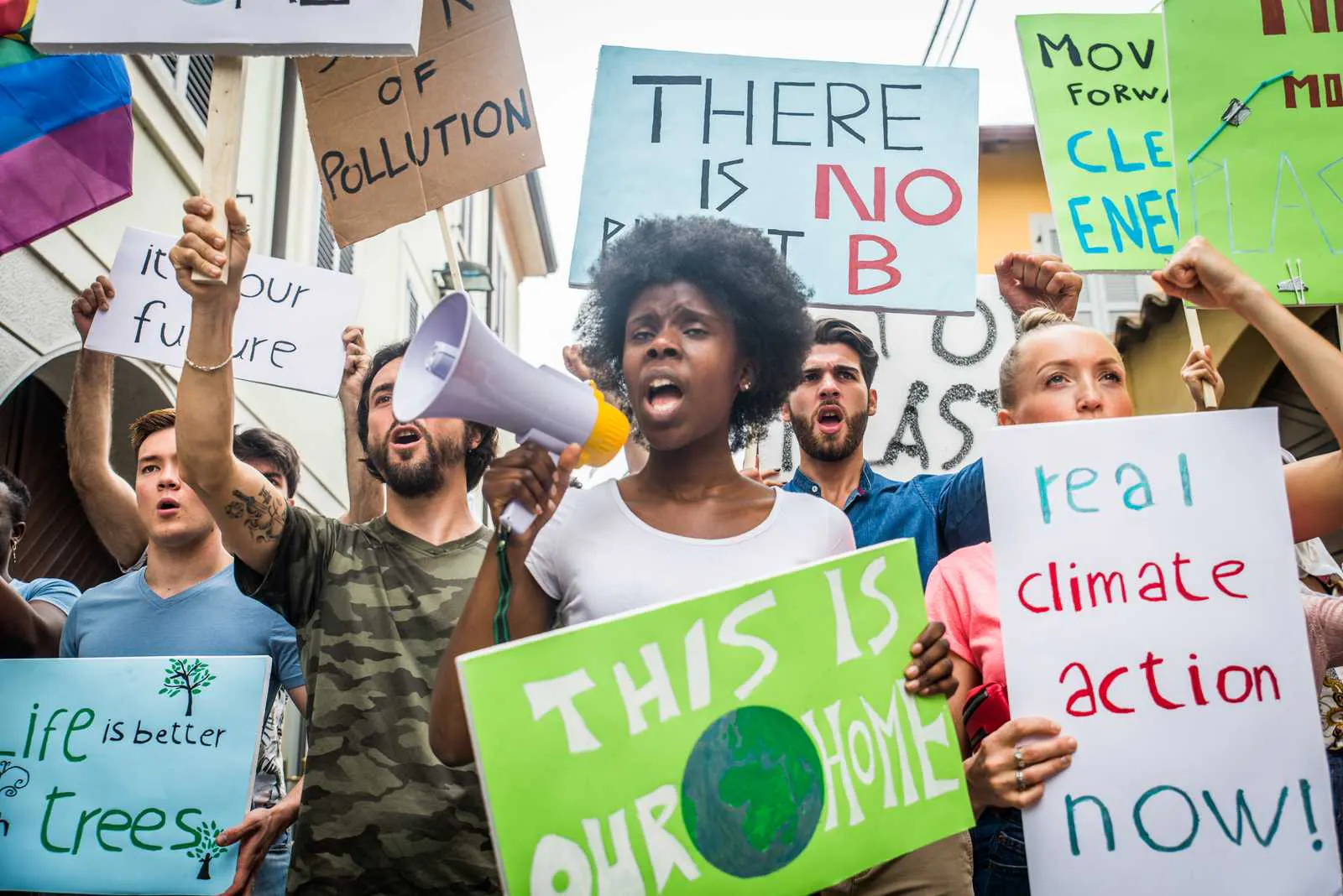
Another turn of the sun, and Earth Day is here again, carrying with it a reminder that is hard to ignore. The very first Earth Day kicked off on April 22nd, 1970. Since its fruition 52 years ago, the annual event has grown massively, and is now recognized and celebrated around the globe, with green initiatives and environmentally-friendly activities happening everywhere. Perhaps you and your colleagues, friends, or family have something planned for the day?
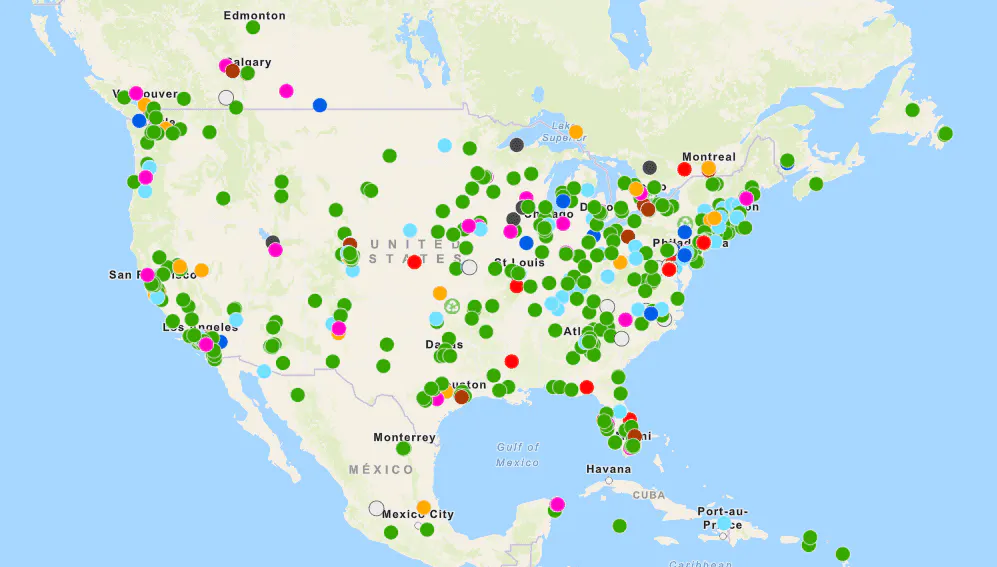
A mapping of registered Earth Day 2022 events across North America on the organization’s website: https://www.earthday.org/earth-day-2022/
Beginning in August of 2021, The Intergovernmental Panel on Climate Change (IPCC) kicked off their comprehensive Sixth Assessment Report, with a first part focused on the “most up-to-date physical understanding of the climate system and climate change” around the globe. In early April this year, the third piece of the report was released, this time dissecting “climate change mitigation progress and pledges” and its effectiveness around the world. In other words, just in time for Earth Day, the IPCC has gifted us with a careful examination of the steps we can take and those already taken to reduce our impact on the globe!
More than ever, as a global community we are recognizing the importance of reducing the environmental impacts of humanity - our consumption, production, technological advancement, and everything else. While it can be easy to lose faith in our species’ willingness to make better choices, we can still focus on the ones which each of us face directly.
And what better time to focus on it than the day we’ve set aside to celebrate the only home we have; Earth!
Taking action
In part 1 of this conversation, we looked at ways that companies or team leaders could have a positive impact on their carbon footprint. Now, we’re focusing on the people within those teams and working for those organizations - specifically web-based products. We’re talking about product managers, designers, engineers, and anyone else who puts together online products and content.
We work in teams, alongside one another, where our choices influence and impact others as much as theirs do us - especially for larger, global online products, where millions of users and billions of visits can really add up!
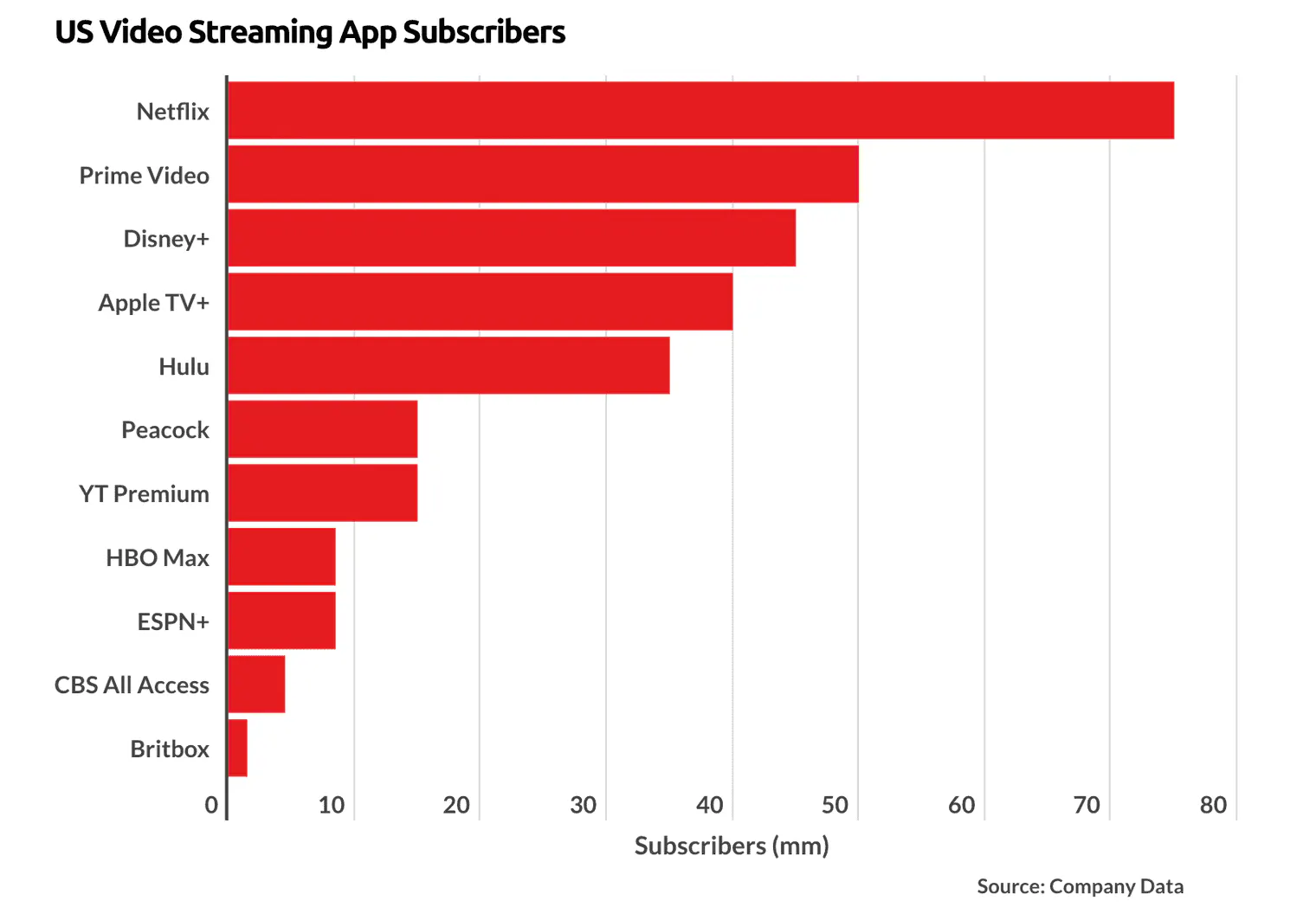
Graph from Business of Apps, displaying millions of users (in the US) for the top streaming services in 2022: https://www.businessofapps.com/data/video-streaming-app-market/
Let's look at some actions that these roles in the workplace can take in order to strive for a more sustainable and environmentally-friendly tech industry.
Project management and product design
This layer of online production is the earliest and potentially most impactful group to begin shaping a climate-friendly approach for the rest of the team. From the preliminary stages of gathering requirements and identifying the problem space, this group’s choices set the tone.
Consider some options for reducing the project’s footprint from the get-go:
- Do meetings need to be in person? How many commutes will need to happen for something that could possibly be done remotely?
- For in-person meetings, are we generating waste from sticky notes, crumpled paper, coffee cups, and individual snack wrappers? What steps can we take to reduce this?
- How many people are involved in each remote planning and sync session? Can the large group of muted, passive participants be left off the invite and caught up with a summary email?
- How much of that brainstorming and ideation needs to happen live and in the moment? Could we reduce the bandwidth and power usage by providing a project brief and setting a timeline for thoughts, questions, and ideas to be collected from the group?
As a project takes shape, this group holds all the power in keeping things focused on the key problem(s) to be solved. A project’s solutioning and scope grows organically from the size of the problem - so a smaller, cleaner focus will lead to a more concise and manageable project. The better understood the problem space is from the early stages, the lower the likelihood of large, costly, resource-intensive changes down the line, once the rest of the team is more heavily involved.
Branding, visual design, and content creation
With a clean, concise problem defined, we move over to the folks who sketch out the path to solving it. So many decisions are made during this phase of a project that will have a massive effect on our web product’s environmental impact.
Some considerations while working through the problem and starting to build a visual solution can be:
- Keep large images and video files targeted and intentional, rather than splashing them all throughout the product experience
- Device processing and power consumption climbs rapidly with every complex visual pattern, vast colour palette, and lengthy animation in-browser
- Massive icon sets and multiple custom fonts will lead to more and larger libraries needing to be stored, served, and downloaded by every user on each visit